Restricted access
Over six months CIOL listened to linguists from a variety of backgrounds, sectors and contexts as well as academics, educators and industry experts; and asked if we could share their perspectives. The result is this collection of linguists’ voices. These are personal reflections on the challenges, opportunities and realities of working in languages today.
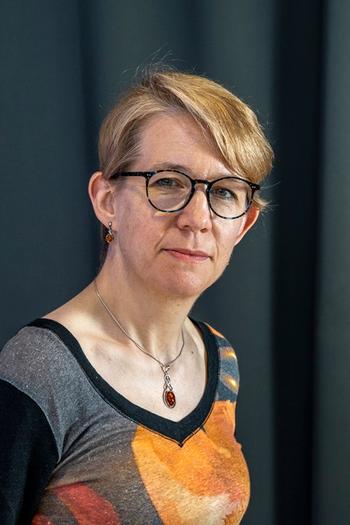
One of the voices is Sara Robertson, CEO. Her contribution is copied below.
The widespread availability of AI translation tools has absolutely changed the market in a very practical way. Many people who would previously have commissioned a professional translator now believe they could produce a serviceable translation themselves. In doing so, they’re often making a false equivalence between generating a piece of text in the target language and a professionally delivered service that offers a tailored solution.
Professionalism is at the heart of the case. Professional translators and interpreters hold specialist knowledge and expertise; they hold formal qualifications or recognised credentials; they adhere to a code of professional conduct; they maintain and update their knowledge and skills; they exercise independent professional judgement; they place their client and public interest above self-interest; and they take responsibility for their work.
These aren’t abstract ideals, and they haven’t changed despite the rise of AI. They are simply the practical and measurable behaviours that distinguish a professional from someone who simply has some language skills and access to a translation tool. And they matter more, not less, in an environment where AI can produce a plausible, if not necessarily correct, output very quickly and cheaply.
Professional judgement is worth dwelling on, because it’s precisely what AI cannot replicate. A machine can produce output that looks fluent and indeed plausible. What it cannot do is weigh up competing considerations, recognise when something feels wrong, understand the consequences of a mistranslation in a particular context, or take responsibility for a decision.
Those are human qualities and capabilities, and they’re developed through training, experience and ethical reflection. They are what a client is actually buying when they commission a professional. Technical skills and AI literacy are necessary, but so is the capacity to reason ethically, exercise judgement and take responsibility for the quality and integrity of our work. A machine can produce output, but a professional takes ownership of the solution offered.
Sara Robertson
Chief Executive, Institute of Translation and Interpreting (ITI)